When Drone Photography Actually Helps a Listing (And When It Doesn't)
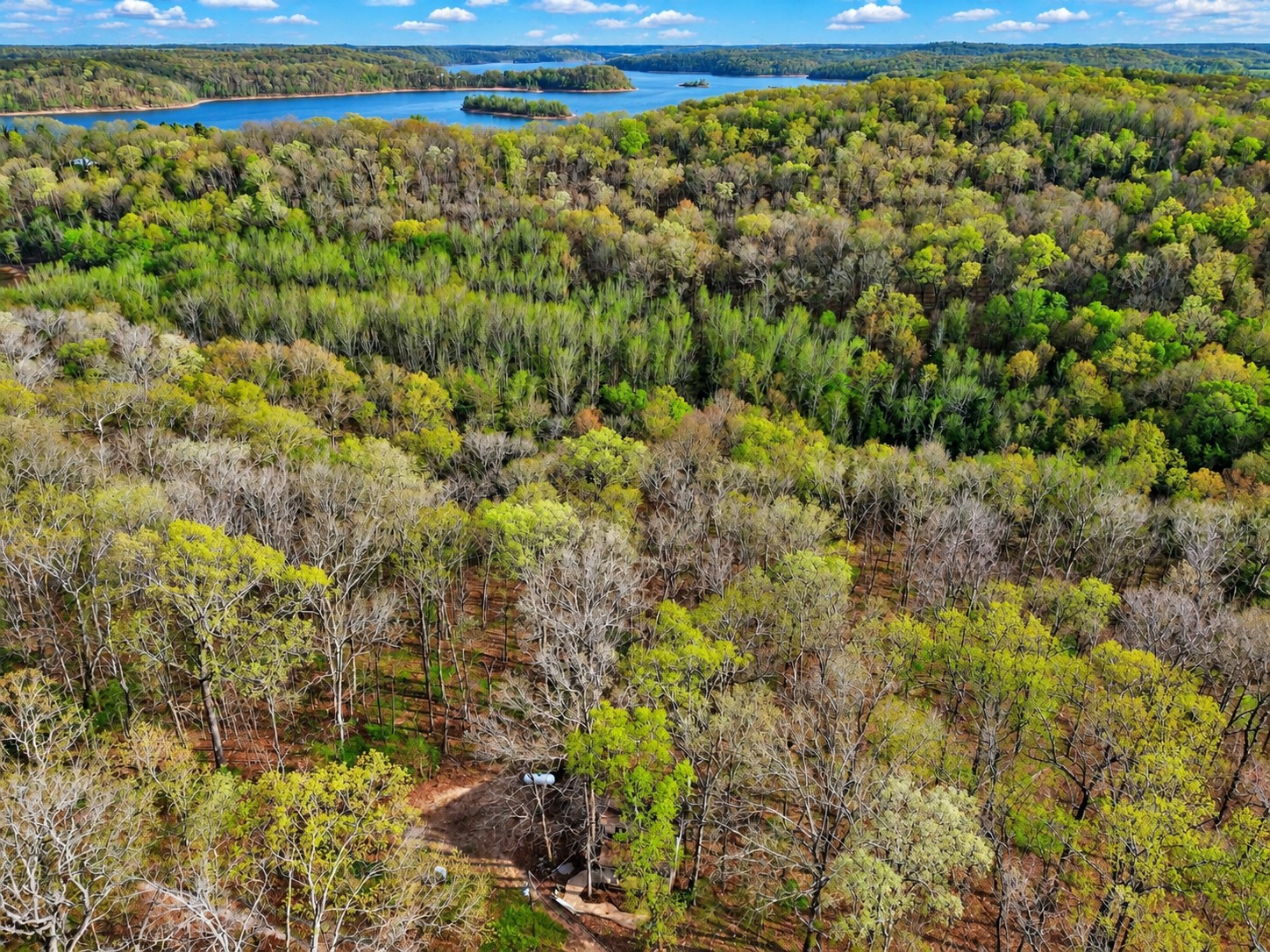
Drone photography gets requested on almost every listing now, but it doesn't add the same value everywhere. Understanding when it actually helps — versus when it's just an extra line item — saves agents money and makes the shots that do get taken more effective.
Where Drone Coverage Earns Its Keep
- Acreage and rural land — the single best use case. A buyer looking at 40, 100, or 300 acres cannot understand the shape, tree cover, or access of that land from the ground. One aerial pass tells the whole story.
- Waterfront and lake properties — showing dock placement, shoreline, and proximity to open water.
- Large lots and new construction subdivisions — where lot lines and surrounding development matter to the buyer's decision.
- Commercial properties — parking, highway access, and visibility from the road are often better sold from above than from the curb.
Where It's Optional
A quarter-acre in-town lot with a standard suburban layout usually doesn't need aerial coverage — the interior and a couple of clean exterior angles carry the listing. That doesn't mean it hurts to have a drone shot, but it's not the differentiator it is on a rural or waterfront property.
FAA Part 107 Matters
Every drone operator flying commercially — including for real estate listings — is legally required to hold an FAA Part 107 certificate. It's worth asking before you book: an uncertified operator flying for a paid listing shoot is a liability for the agent and seller, not just the photographer.
We shoot Part 107 certified drone coverage across southeast Missouri, from rural acreage in Madison County to lakefront listings near Bonne Terre.